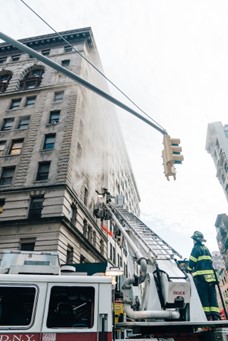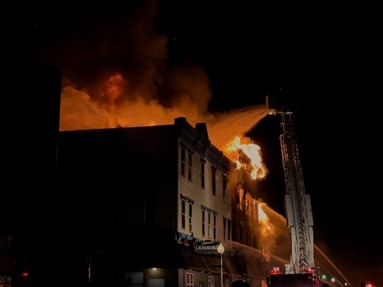
Fire protection is a fundamental aspect of building safety that aims to safeguard lives and property from fire-related incidents. By incorporating comprehensive strategies and systems, individuals and organizations can significantly reduce the risk of devastating losses. Effective fire protection is not just about responding to fires but also about prevention and preparedness.
In today’s fast-paced environment, the need for robust fire protection measures has become more apparent. Whether it is a residential space or a commercial building, fire safety should be a top priority. The integration of advanced technologies and adherence to fire codes can create a secure environment for all.
Designing a Reliable Fire Detection System
Fire detection systems are the cornerstone of any effective fire protection strategy. These systems are designed to detect fires in their early stages, allowing for timely evacuation and intervention. With various types of detectors available, such as smoke, heat, and flame detectors, each plays a unique role in identifying potential fire hazards.
A well-maintained detection system ensures that occupants are alerted quickly during a fire emergency. For instance, interconnected smoke detectors can alert everyone in the building simultaneously, improving response times. Regular testing and inspection of these systems are essential to maintain their reliability and efficiency.
Additionally, advancements in fire detection technology, such as smart systems and sensors, have revolutionized the field. These systems can provide real-time data to building managers and fire departments, enabling a more coordinated and effective response.
Implementing Efficient Fire Suppression Systems
Fire suppression systems are critical in controlling and extinguishing fires before they can escalate. These systems include sprinklers, foam suppression units, and gaseous suppression methods, each tailored to specific environments and fire risks. When integrated with detection systems, they form a cohesive fire protection plan.
Automatic sprinkler systems are one of the most widely used suppression methods, especially in commercial buildings. They activate immediately when a fire is detected, minimizing damage and protecting lives. Foam and gaseous systems, on the other hand, are ideal for specialized applications, such as industrial facilities and data centers.
Proper maintenance and regular inspection of fire suppression systems ensure they function effectively during emergencies. Furthermore, training employees and occupants on how these systems work can enhance overall safety and preparedness.
Establishing Clear Fire Safety Procedures
Having clear and well-communicated fire safety procedures is vital for effective fire protection. These procedures include evacuation plans, fire drills, and protocols for using firefighting equipment. By familiarizing occupants with these guidelines, you can reduce panic and ensure a swift response during an emergency.
Evacuation plans should be easy to understand and prominently displayed throughout the building. Regular fire drills reinforce these plans, helping individuals recognize escape routes and safety measures. Equipping employees with basic firefighting training, such as using fire extinguishers, further enhances safety efforts.
Moreover, fostering a culture of fire safety in the workplace or community promotes awareness and responsibility. Encouraging feedback and suggestions from occupants can also improve the effectiveness of fire safety procedures over time.
Prioritizing Fire Prevention Measures
Prevention is a key element of any fire protection strategy. Identifying potential fire hazards and mitigating risks can prevent many fire incidents. Common fire hazards include faulty wiring, improper storage of flammable materials, and unattended heat sources.
Regular inspections and maintenance of electrical systems and appliances can significantly reduce the risk of electrical fires. Additionally, ensuring proper storage and labeling of hazardous materials minimizes the likelihood of accidental ignition. Employers and building managers should conduct periodic risk assessments to identify and address vulnerabilities.
Another important aspect of fire prevention is educating occupants about safe practices. This includes discouraging the use of unauthorized electrical devices and promoting safe cooking habits. Together, these measures create a safer environment and lower the chances of fire outbreaks.
Leveraging Fire-Resistant Building Materials
The use of fire-resistant materials in construction plays a crucial role in minimizing fire damage. Materials such as concrete, gypsum, and fire-rated glass are designed to withstand high temperatures and slow the spread of fire. Incorporating these materials into the building design enhances the overall safety of the structure.
Fire-resistant doors and walls, for instance, can create barriers that prevent the rapid spread of flames and smoke. This containment allows more time for evacuation and firefighting efforts. Additionally, using non-combustible insulation materials further strengthens the building’s fire resistance.
Modern construction standards often require the use of fire-resistant materials in certain areas, such as stairwells and exits. Adhering to these standards not only ensures compliance but also enhances the building’s ability to protect its occupants during a fire emergency.
Integrating Fire Protection for Maximum Safety
Effective fire protection is a multifaceted approach that combines detection, suppression, prevention, and education. By prioritizing fire safety and incorporating these elements, individuals and organizations can create safer environments. From advanced detection systems to fire-resistant materials, every effort contributes to minimizing risks and safeguarding lives.
Investing in fire protection is not just a legal obligation but a moral responsibility. By staying proactive and vigilant, communities can reduce the devastating impact of fires and ensure the safety and well-being of everyone involved.