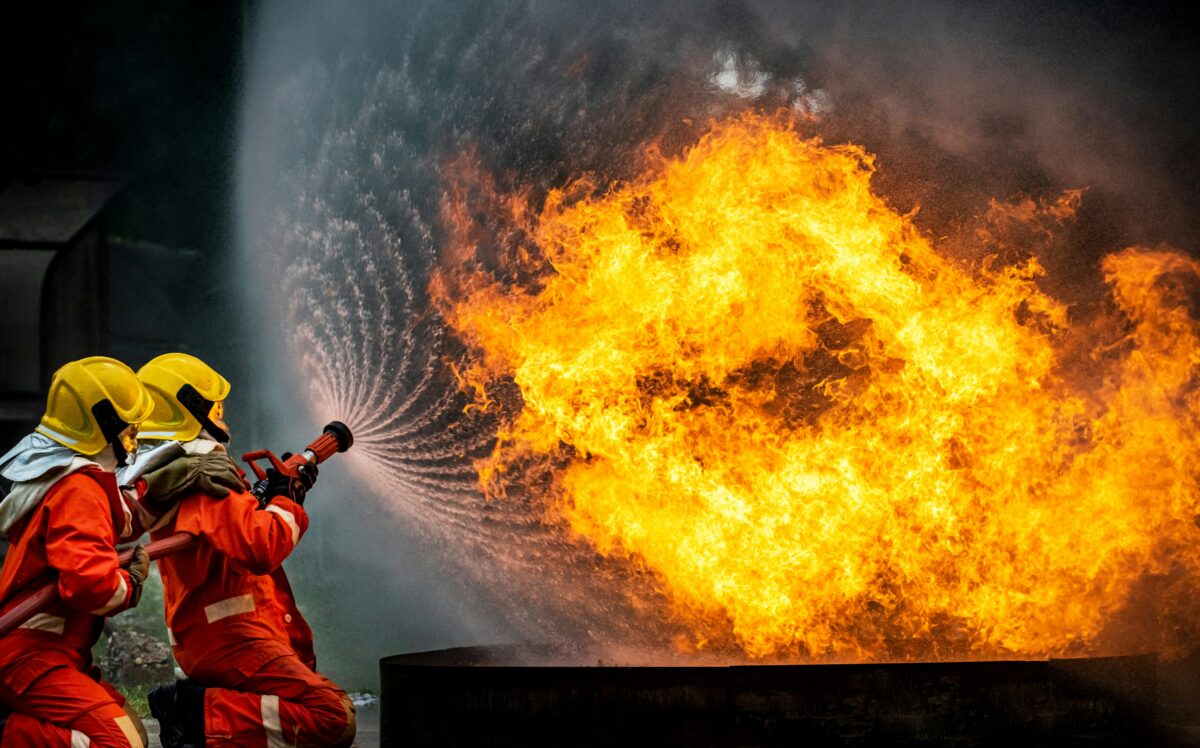

Fire protection is changing quickly as technology makes buildings safer, faster, and more efficient. Traditional alarms, sprinklers, and extinguishers remain important, but modern systems now use artificial intelligence, advanced sensors, automation, and real-time communication to detect and control fires earlier. These cutting-edge fire protection technologies help reduce property damage, protect lives, and give emergency teams better information when every second matters.
AI-Powered Fire Detection
Artificial intelligence is becoming an important part of modern fire detection. Traditional smoke alarms mainly respond when smoke reaches a sensor. AI-powered systems can analyze images, heat patterns, smoke movement, and other environmental signals to detect potential fires earlier.
Smart cameras can monitor large areas continuously and recognize signs of flames or smoke. Advanced software can separate real fire events from common false alarms, such as steam, dust, or vehicle exhaust. This can improve response times while reducing unnecessary emergency calls.
AI can also learn from previous events and improve detection accuracy over time. When connected to building management systems, these technologies can automatically alert security teams, facility managers, and emergency responders.
Advanced Smoke and Heat Sensors
Modern sensors are more precise than many conventional detection devices. Multi-criteria sensors can monitor smoke, temperature, carbon monoxide, and other environmental changes at the same time. By combining several types of information, these systems can make more accurate decisions about whether a dangerous event is developing.
Some advanced sensors can detect rapid temperature changes before a visible fire becomes widespread. Others are designed for challenging environments where conventional smoke detectors may not work effectively. This makes advanced sensing technology useful in warehouses, manufacturing facilities, data centers, transportation hubs, and other high-risk locations.
Wireless sensors are also making fire protection systems easier to install and expand. They can reduce the need for extensive wiring while allowing building owners to monitor larger areas.
Smart Fire Sprinkler Systems
Fire sprinklers have protected buildings for decades, but smart sprinkler technology is adding greater control and efficiency. Modern systems can use sensors and automated controls to identify a fire’s location and severity before activating specific suppression equipment.
Instead of treating an entire area in the same way, intelligent systems can focus suppression where it is most needed. This approach may limit water use and reduce damage from unnecessary discharge.
Some advanced sprinkler systems can also communicate with fire alarm panels and building management platforms. This creates a connected safety network that provides facility personnel with real-time information about system activity, pressure, temperature, and potential failures.

Connected Fire Safety Systems
The Internet of Things is creating a new generation of connected fire protection. IoT-enabled devices can communicate and share information through secure networks. Fire alarms, sensors, sprinkler controls, emergency lighting, and building management systems can work together rather than operating as separate technologies.
Connected systems can provide real-time notifications through computers and mobile devices. Building managers can quickly learn when a sensor detects unusual heat, when equipment needs maintenance, or when a fire protection component stops working properly.
Remote monitoring is particularly valuable for large facilities with multiple buildings or locations. It allows safety teams to track system performance without being physically present at every site.
Automated Emergency Response
Automation can improve what happens after a fire is detected. Modern systems may automatically trigger emergency lighting, unlock designated exits, shut down ventilation equipment, control elevators, and notify monitoring centers.
In complex buildings, these actions can help reduce confusion during an emergency. Automated voice systems can provide clear evacuation instructions based on the detected hazard’s location.
Robotic technology is also being explored for dangerous fire environments. Firefighting robots can enter areas that may be unsafe for people, gather information, and support suppression operations. These machines can be especially useful in industrial facilities, chemical plants, and large warehouses.
Thermal Imaging and Drone Technology
Thermal imaging is another powerful tool for fire prevention and response. Thermal cameras can identify unusual heat patterns that may not be visible to the human eye. Routine thermal inspections can help identify overheating electrical equipment, machinery problems, and other potential fire hazards before they become serious.
Drones can extend this capability to large or difficult-to-access areas. Equipped with thermal cameras and other sensors, drones can inspect rooftops, industrial sites, storage facilities, and infrastructure. During emergencies, they can provide aerial views that help responders understand fire conditions without immediately sending personnel into dangerous areas.
Safer Buildings Through Predictive Technology
One of the biggest developments in fire protection is the shift from reacting to fires toward preventing them. Predictive technology can analyze sensor and equipment data to identify conditions that may lead to a fire.
For example, abnormal electrical temperatures, equipment behavior, or environmental changes can indicate developing problems. Early warnings allow maintenance teams to investigate and correct hazards before they become emergencies.
As technology advances, fire protection will become more connected, intelligent, and proactive. Cutting-edge fire protection technologies are not replacing proven safety measures; they are strengthening them with better information, faster detection, and smarter automation. By combining advanced sensors, artificial intelligence, connected systems, and automated response tools, modern buildings can build stronger defenses against fire and give people valuable extra time to reach safety.