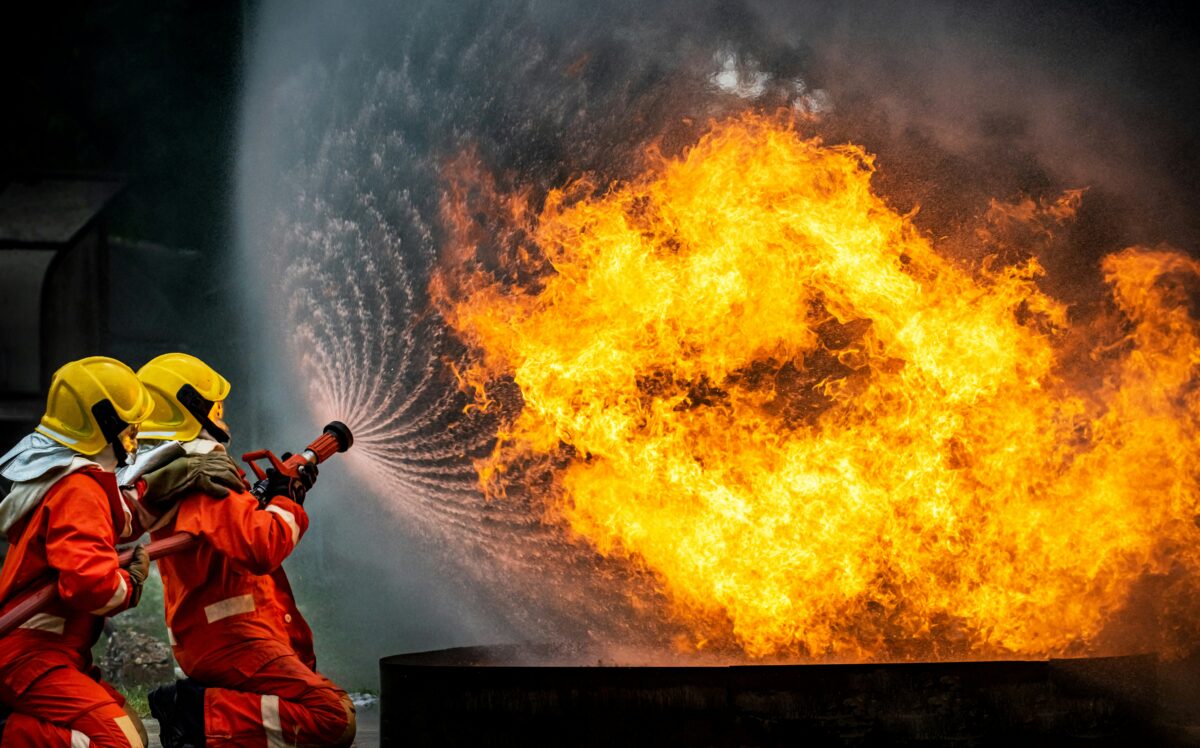

Effective fire protection requires more than installing a few alarms or placing extinguishers around a building. Instead, property owners need a complete safety strategy that helps prevent fires, detects threats early, controls flames, and supports a safe evacuation. Whether the property is a home, office, warehouse, retail store, or industrial facility, strong fire protection can reduce injuries, property damage, and costly interruptions. Moreover, a well-planned system gives occupants confidence because they know the building has clear safety measures in place. By combining prevention, detection, suppression, maintenance, and education, property owners can create a safer environment for everyone.
Early Fire Detection Systems
Fire detection systems provide one of the most important layers of protection because they alert people before a small incident becomes a major emergency. Smoke detectors, heat detectors, and fire alarm systems can identify signs of danger and provide valuable time for evacuation. Therefore, property owners should install appropriate detection devices throughout the building and make sure alarms remain easy to hear in every occupied area. Modern systems may also connect with monitoring services, emergency systems, or building controls to speed up the response when a fire occurs.
Reliable Fire Suppression Equipment
Fire suppression equipment helps control or extinguish a fire before it spreads throughout a property. For example, portable fire extinguishers allow trained occupants to respond to small, manageable fires when it remains safe to do so. However, buildings may require different extinguisher types depending on the materials, equipment, and fire risks present. Property managers should place extinguishers in accessible areas and ensure that signs clearly identify their locations.
Additionally, automatic sprinkler systems provide another powerful form of fire suppression. Sprinklers respond directly to heat and release water near the source of a fire, which can slow its growth until emergency crews arrive. In commercial and industrial environments, specialized suppression systems may protect kitchens, electrical equipment, or areas containing sensitive materials. Therefore, choosing suppression equipment based on specific hazards strengthens the overall fire protection strategy.
Clear and Accessible Escape Routes
Safe evacuation depends on clear escape routes that occupants can follow quickly during an emergency. Therefore, hallways, stairways, exits, and doorways should remain free from furniture, boxes, equipment, and other obstacles. Exit signs should also remain visible, while emergency lighting can guide people if smoke or a power failure reduces visibility. Property managers should routinely inspect these routes to make sure occupants always have a clear path to safety.
Moreover, buildings need evacuation plans that account for their layout, number of occupants, and potential hazards. Employees, residents, and visitors should understand where exits lead and where they should gather after leaving the building. Facilities should also consider people who may need assistance during evacuation. By planning these details before an emergency, occupants can respond more calmly and efficiently when every second matters.
Regular Inspection and Maintenance

Even the best fire protection equipment cannot provide reliable safety without proper maintenance. Consequently, property owners should regularly inspect alarms, extinguishers, sprinkler systems, emergency lighting, and other safety equipment. Testing helps identify damaged devices, expired extinguishers, weak batteries, blocked sprinkler heads, and other problems before they create serious risks. Professional inspections can also confirm that important systems continue to operate as intended.
In addition, property managers should keep clear records of inspections, tests, maintenance work, and equipment replacements. These records make it easier to track system conditions and schedule future service. Furthermore, routine maintenance helps prevent small technical issues from becoming major safety failures. A consistent maintenance program therefore protects both people and property while supporting long-term system reliability.
Fire Prevention Through Hazard Control
Preventing a fire is often more effective than responding after one starts. Therefore, every fire protection plan should include steps that reduce common hazards. Faulty electrical equipment, overloaded outlets, combustible materials, open flames, heating equipment, and careless smoking can all increase fire risk. Regular inspections of work areas, storage rooms, kitchens, mechanical spaces, and electrical systems can help identify these dangers before an emergency develops.
Similarly, proper storage plays an important role in fire prevention. Businesses should keep combustible materials away from heat sources and follow safe procedures for storing chemicals or flammable liquids. Workers should also remove unnecessary clutter and dispose of waste regularly. As a result, good housekeeping reduces both the chance of ignition and the amount of material available to fuel a fire.
Employee and Occupant Fire Safety Training
Fire protection equipment provides greater value when people know how to respond during an emergency. Therefore, businesses should train employees on alarm procedures, evacuation routes, assembly areas, and basic fire safety practices. Training should also explain when people may safely use a fire extinguisher and when they should immediately evacuate instead. Clear instructions reduce hesitation and confusion during stressful situations.
Furthermore, regular fire drills give occupants a chance to practice emergency procedures under controlled conditions. Drills can reveal problems such as blocked exits, unclear responsibilities, slow evacuation times, or confusion about assembly locations. Building managers can then correct these weaknesses before an actual emergency occurs. Consequently, ongoing training turns written safety procedures into practical habits that people can follow more effectively.
Creating a Complete Fire Protection Strategy
Ultimately, effective fire protection comes from combining multiple safety measures instead of relying on a single device or procedure. Detection systems provide early warnings, suppression equipment helps control flames, escape routes support evacuation, and preventive practices reduce everyday hazards. At the same time, regular maintenance keeps these systems dependable when an emergency occurs. Each element supports the others and strengthens the building’s overall level of protection.
Furthermore, fire safety should remain an ongoing responsibility rather than a one-time project. Property owners and managers should review risks, maintain equipment, train occupants, and improve emergency plans as conditions change. By taking a proactive approach, organizations can reduce fire risks while protecting lives, property, operations, and valuable assets. Effective fire protection ultimately depends on preparation, reliable systems, and consistent attention to safety.